What to Expect During an Aircraft Pre-Buy Inspection
A pre-buy inspection is your best protection against a costly mistake. Here's what the process involves, who should perform it, and what the results actually mean.
By Carlton Mark
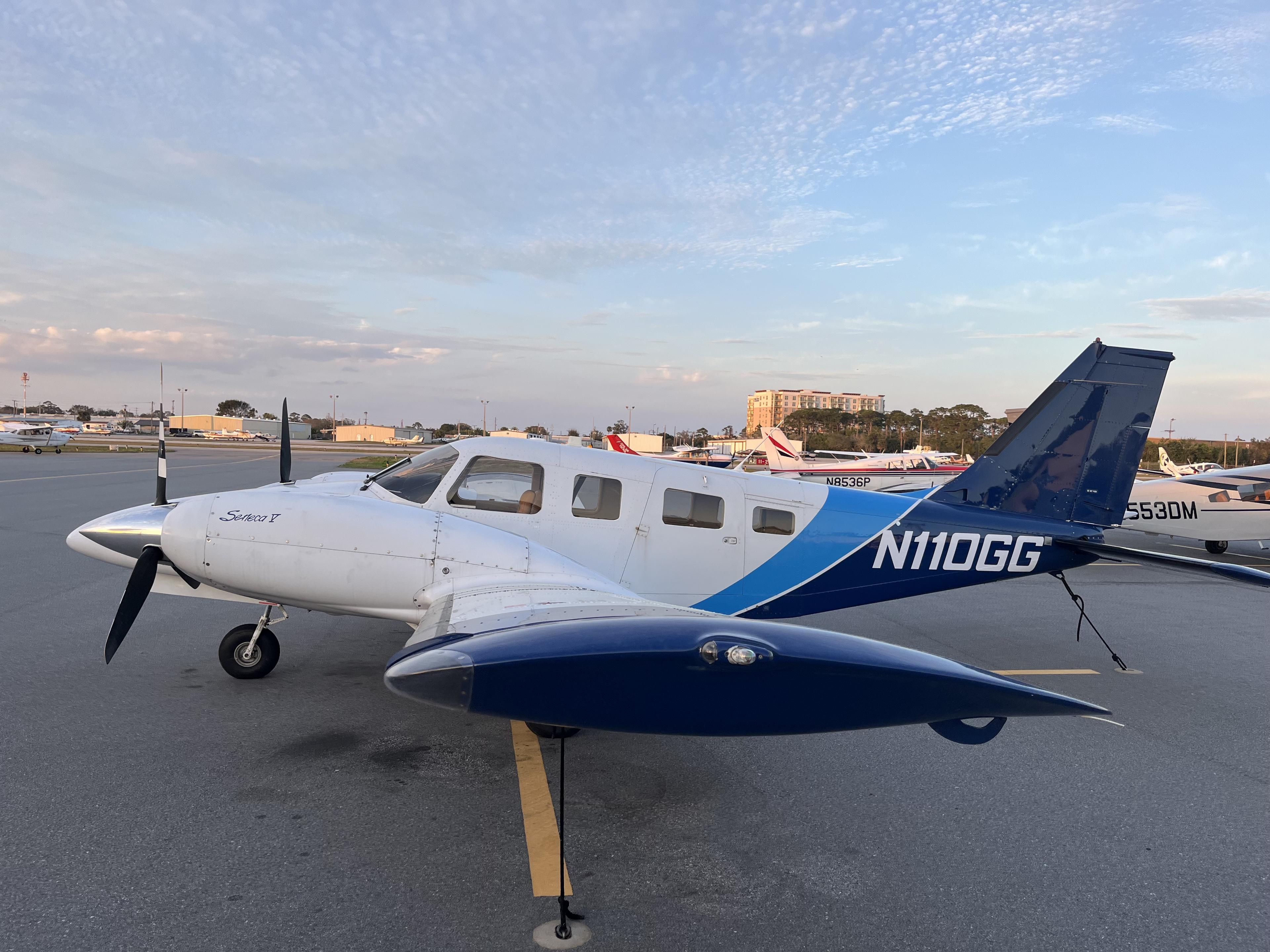
A pre-buy inspection is not a formality — it is the single most important step between finding an aircraft you like and actually closing on one you can trust. Done well, it surfaces problems before they become your problems. Here is how the process works and what to watch for.
What a pre-buy inspection actually covers
A thorough pre-buy goes well beyond a visual walkaround. It typically includes a logbook review, compression check on every cylinder, corrosion inspection in difficult-to-access areas, avionics and systems function check, control surface and rigging inspection, and a review of AD compliance. Some inspectors will also perform a test flight to assess handling, engine behavior, and systems performance under real conditions.
Who should perform it — and why it matters
The mechanic doing your pre-buy should be one you select, not the seller's shop. Using a shop that has a relationship with the seller creates a conflict of interest, even if no one intends it that way. Ideally, find an A&P with IA authority who is experienced with the specific make and model. Type-specific knowledge matters: a mechanic who has worked on hundreds of Bonanzas will catch things a generalist might miss.
Where the inspection should happen
Have the inspection performed at a neutral facility, not the seller's home base if you can help it. The inspection should feel entirely independent. If the seller resists your choice of shop or location, that is itself a yellow flag worth noting.
What to do with the findings
A pre-buy report is rarely all-clear. Most aircraft come back with a list of squawks ranging from cosmetic to significant. The key is understanding which items affect airworthiness, which affect value, and which are just the normal wear of an aging aircraft. Your mechanic should walk you through the findings and help you understand what they mean in practical terms — not just hand you a list.
Use the findings as a negotiating tool, not necessarily a reason to walk away. A report full of minor items on an otherwise solid airframe is different from one with deferred ADs, spar corrosion, or a tired engine that the seller failed to disclose. Know the difference before you decide how to respond.
How much a pre-buy inspection costs
Expect to spend several hundred dollars on a basic inspection and more for complex or high-performance aircraft. A thorough inspection on a turbine aircraft can run into the thousands. That cost is entirely worth it relative to the risk of buying an aircraft with a major hidden issue.
What happens when the deal falls apart after the inspection
Sometimes the right outcome is walking away. If the inspection surfaces problems that the seller won't address and the price won't move, it is better to pass and find the right aircraft than to buy someone else's problem. The money spent on a pre-buy that kills a deal is not wasted — it is exactly what the process is for.
Wrap-up
A pre-buy inspection protects the buyer, but only if it is done thoroughly and independently. At Flaps15, we help coordinate inspections with the right shops and review findings with buyers so nothing gets lost in translation between the mechanic's report and the closing table.